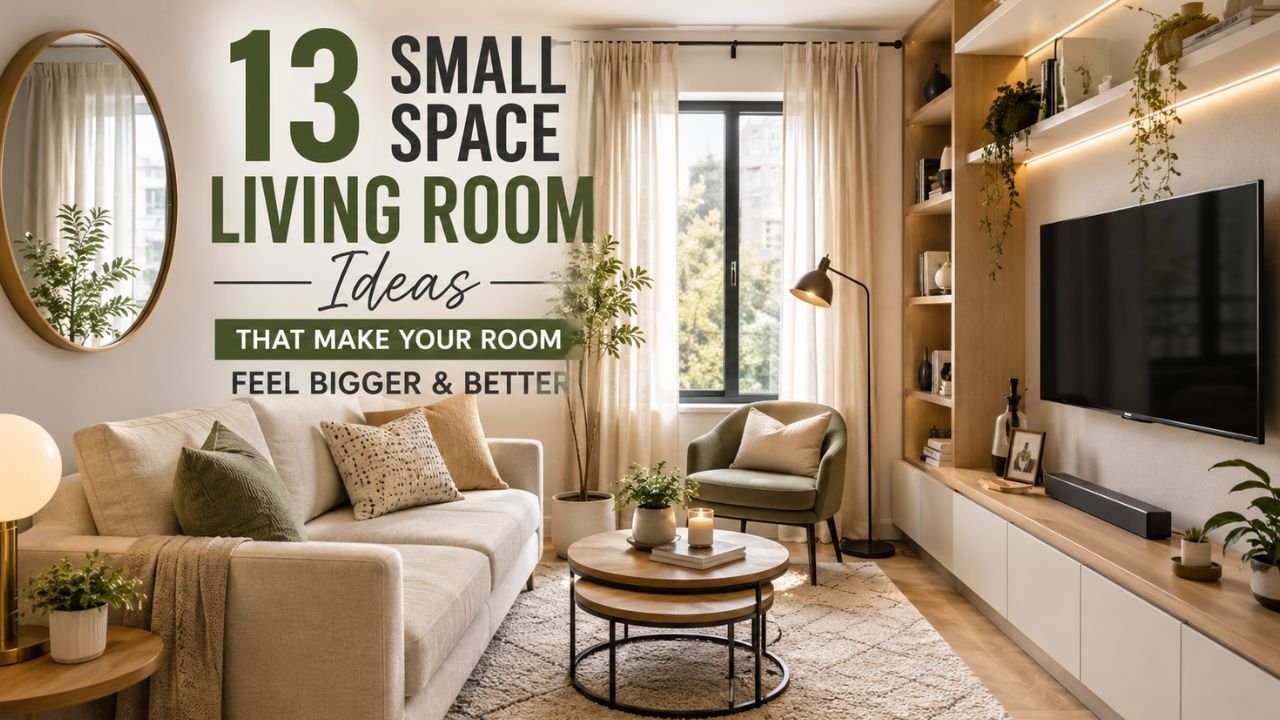
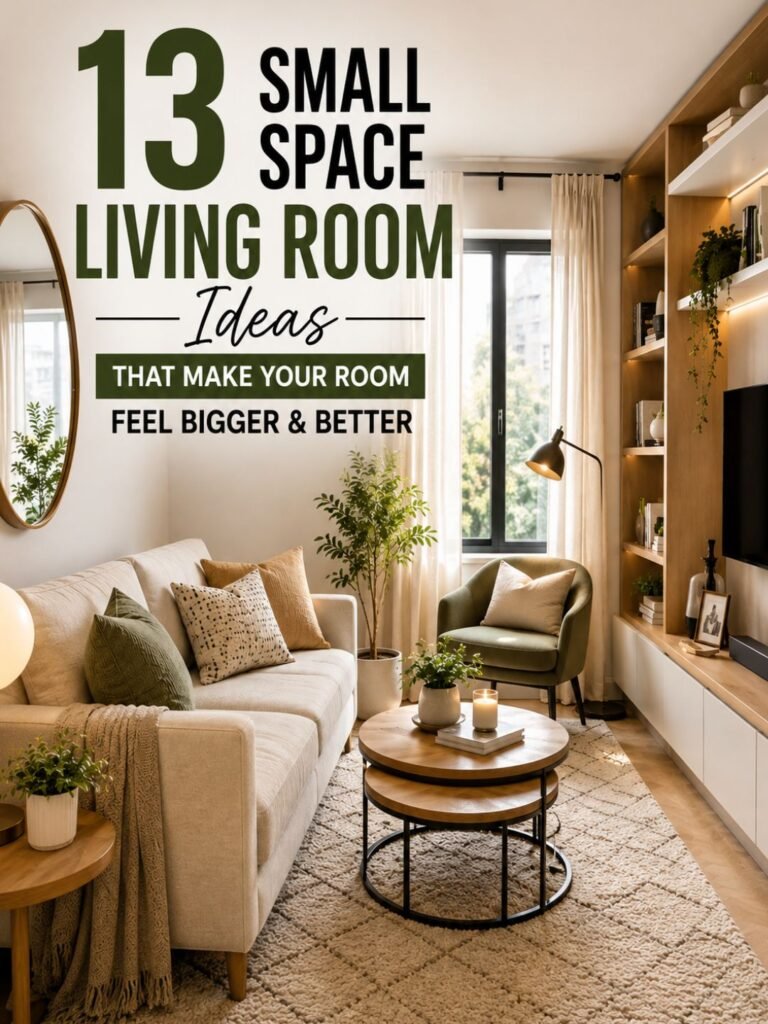
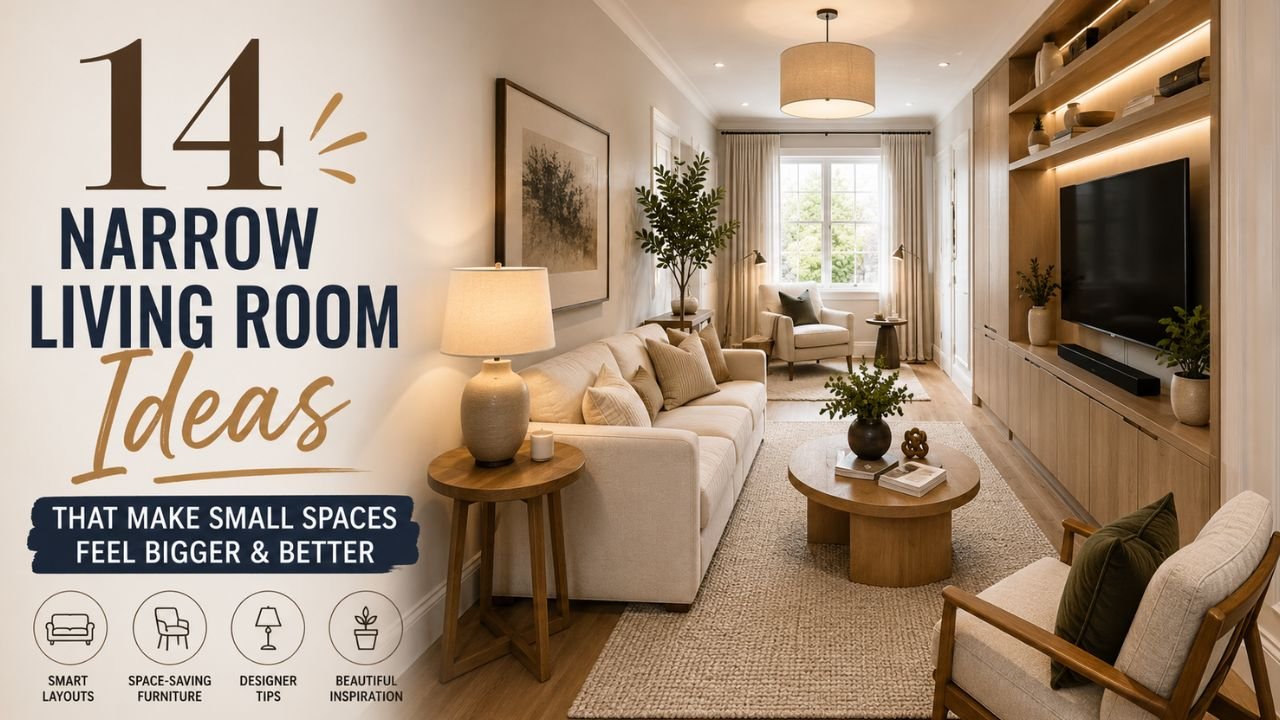
A small living room doesn’t have to feel cramped, boring, or difficult to decorate. In fact, limited square footage can encourage you to make smarter design choices and create a room that feels more intentional
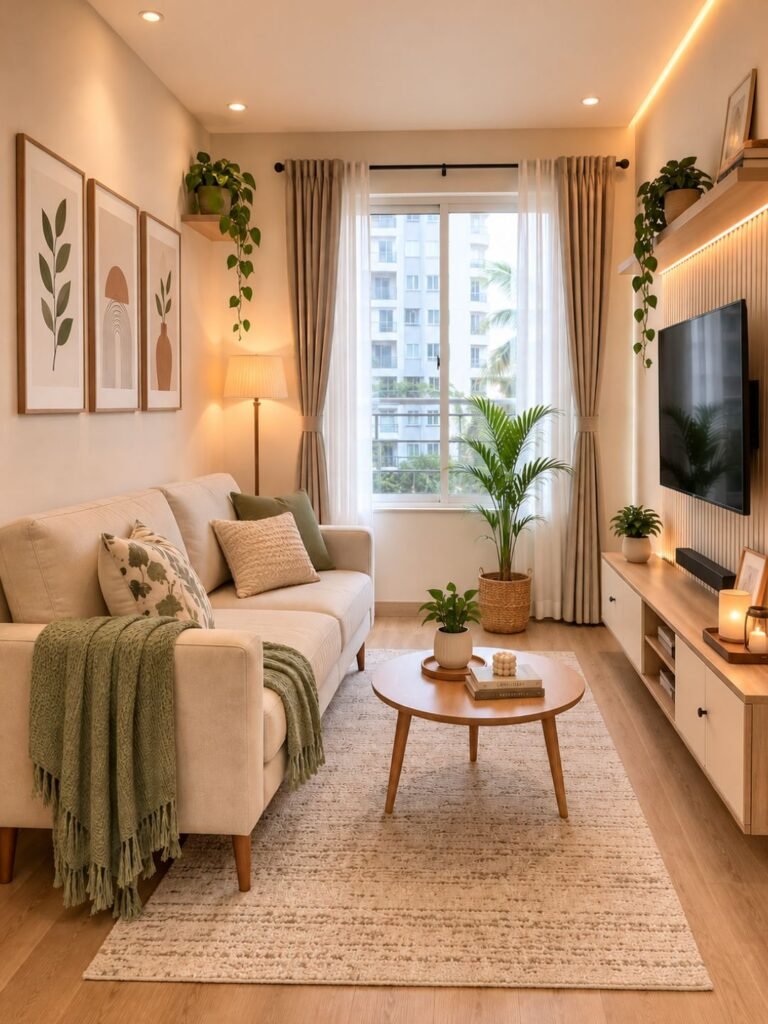
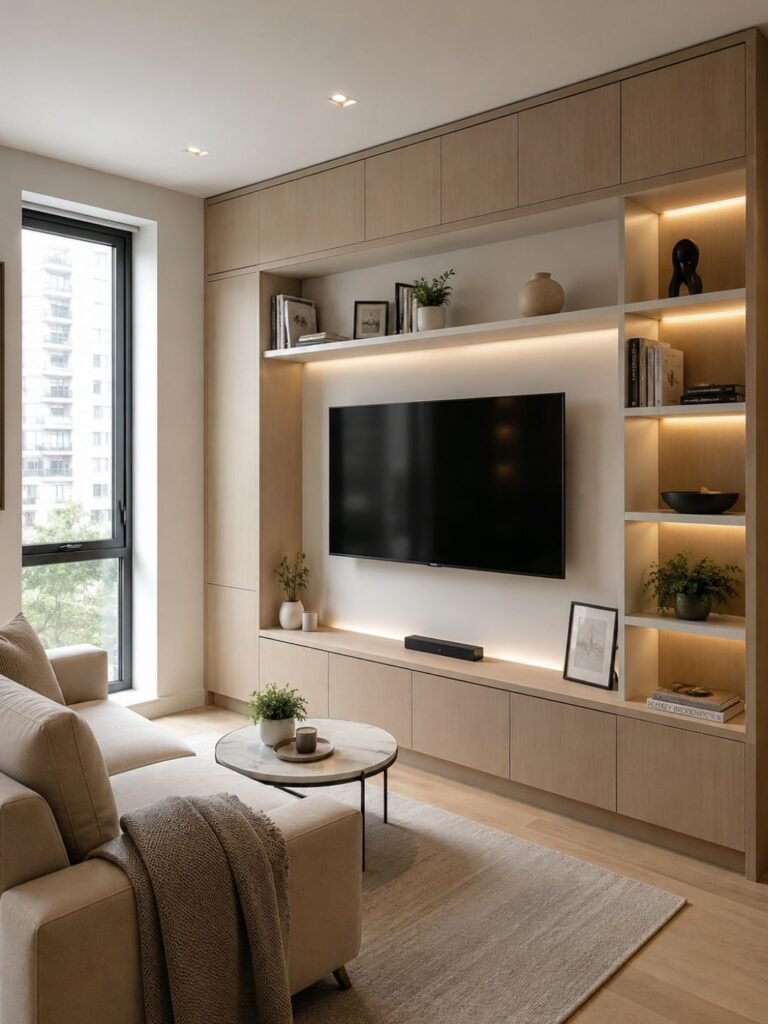
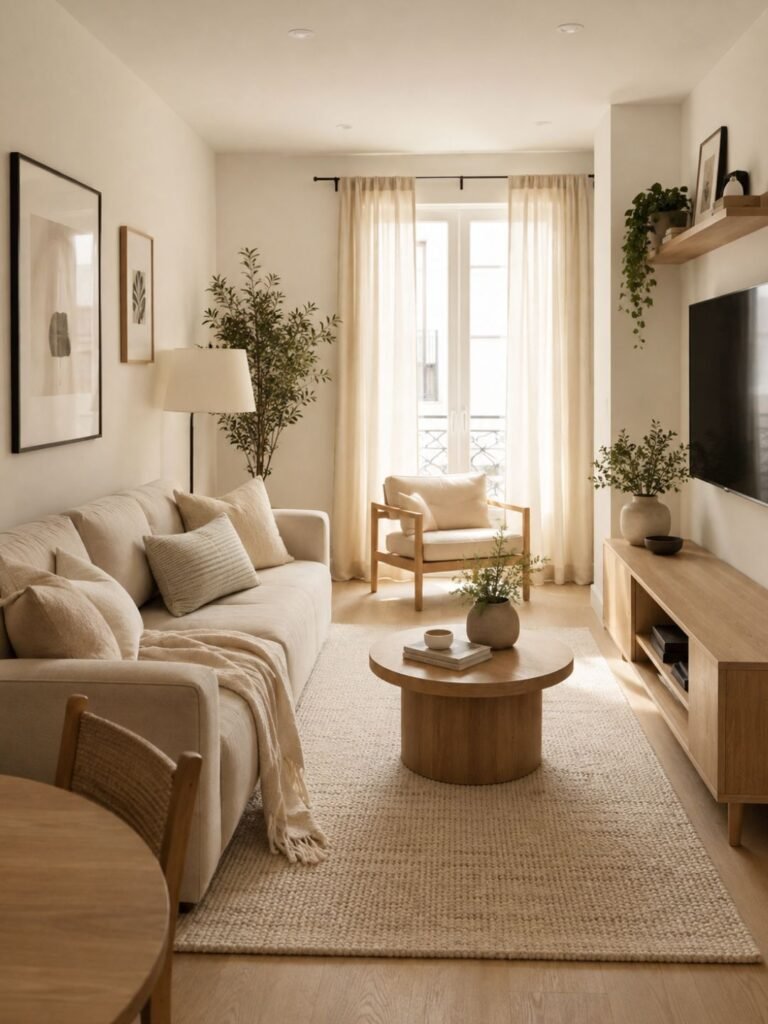
One of the easiest ways to transform a small living room is to replace a bulky sofa with a streamlined design.
Look for a sofa with:
Narrow arms
Raised legs
A relatively shallow depth
Simple upholstery
A low visual profile
Instead of automatically pushing the sofa against the wall, consider floating it slightly forward if the layout allows.
This can create a narrow circulation path behind the sofa or help visually separate the living area from another zone.
A slim sofa doesn’t necessarily mean an uncomfortable sofa. You can maintain comfort through soft cushions, throws, and a supportive seat.
Pro Tip
Choose sofa legs that allow you to see some floor underneath. Visible flooring makes furniture appear lighter and can create a more open feeling.
Steal This Look
Paint: Warm white, soft beige, pale greige
Material: Textured linen or cotton upholstery
Furniture: Slim three-seat sofa with exposed legs
Lighting: Arc floor lamp or compact wall sconce
Decor: One oversized cushion and a simple throw
Avoid This Mistake
Don’t buy an extremely small sofa simply because the room is small. A tiny sofa surrounded by lots of little furniture can actually make the room look cluttered.
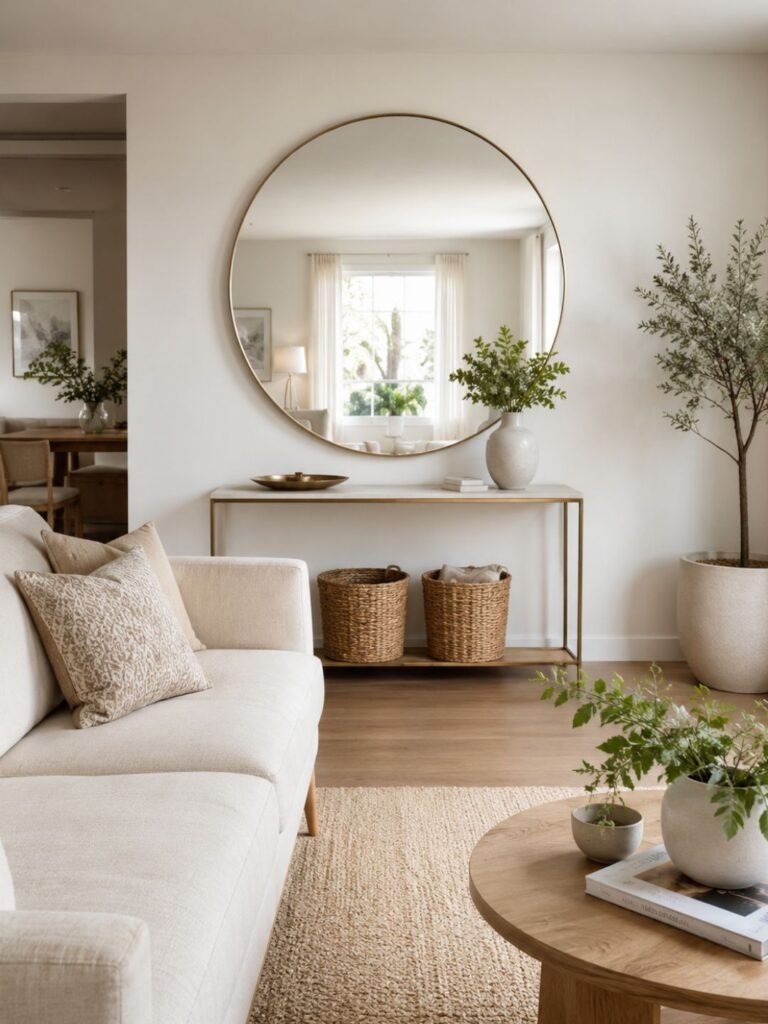
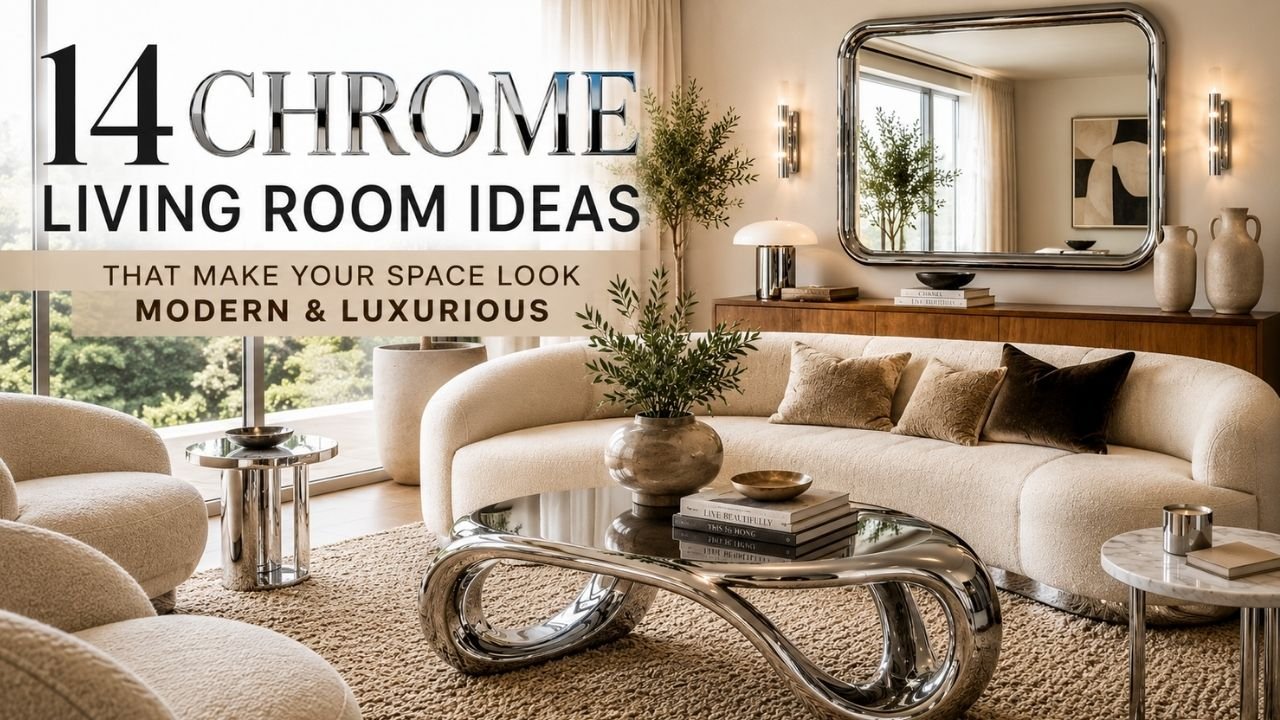
Mirrors are one of the oldest tricks for making compact interiors feel more spacious.
Instead of decorating a small wall with several tiny frames, consider using one large mirror as the focal point.
A strategically positioned mirror can reflect:
Natural light
Windows
Decorative lighting
Artwork
Architectural features
For maximum impact, place the mirror opposite or adjacent to a window when possible.
You can also lean a large floor mirror against the wall for a more relaxed look.
Pro Tip
Choose a mirror with a simple frame. An overly decorative frame can become visually heavy in a small room.
Steal This Look
Paint: Soft warm white
Material: Antique brass or natural wood mirror frame
Furniture: Compact sofa and slim console
Lighting: Table lamp reflected in the mirror
Decor: One vase with greenery
Avoid This Mistake
Don’t cover every wall with mirrors. One large, intentionally placed mirror usually looks more sophisticated than several small mirrors scattered around the room.
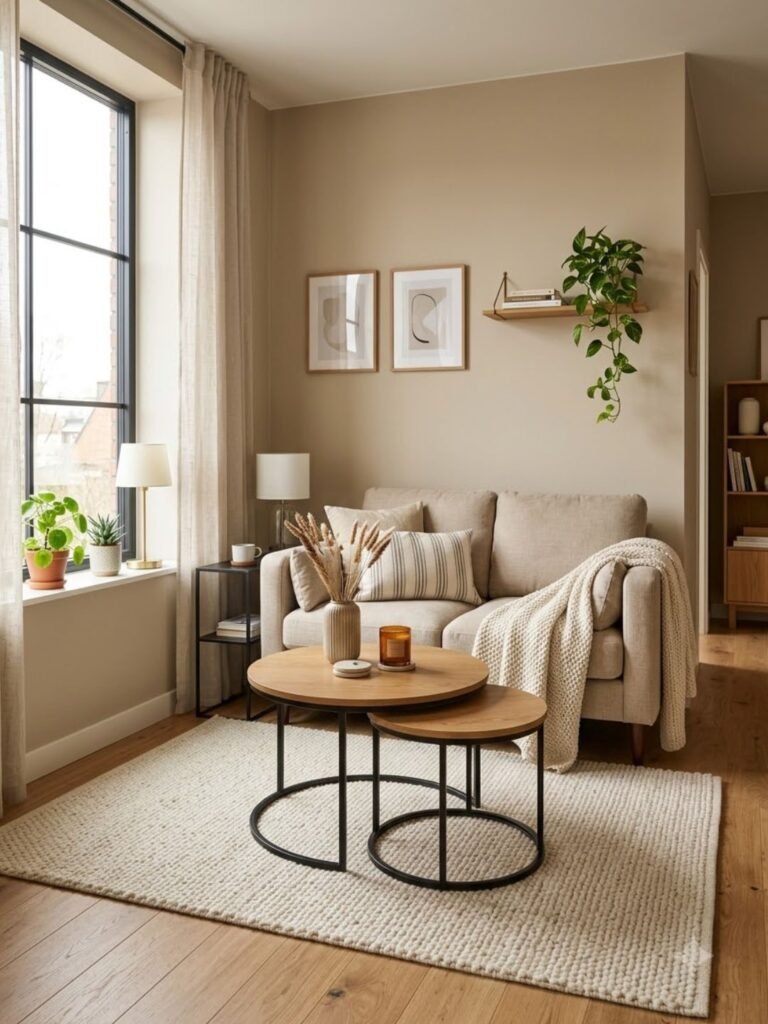
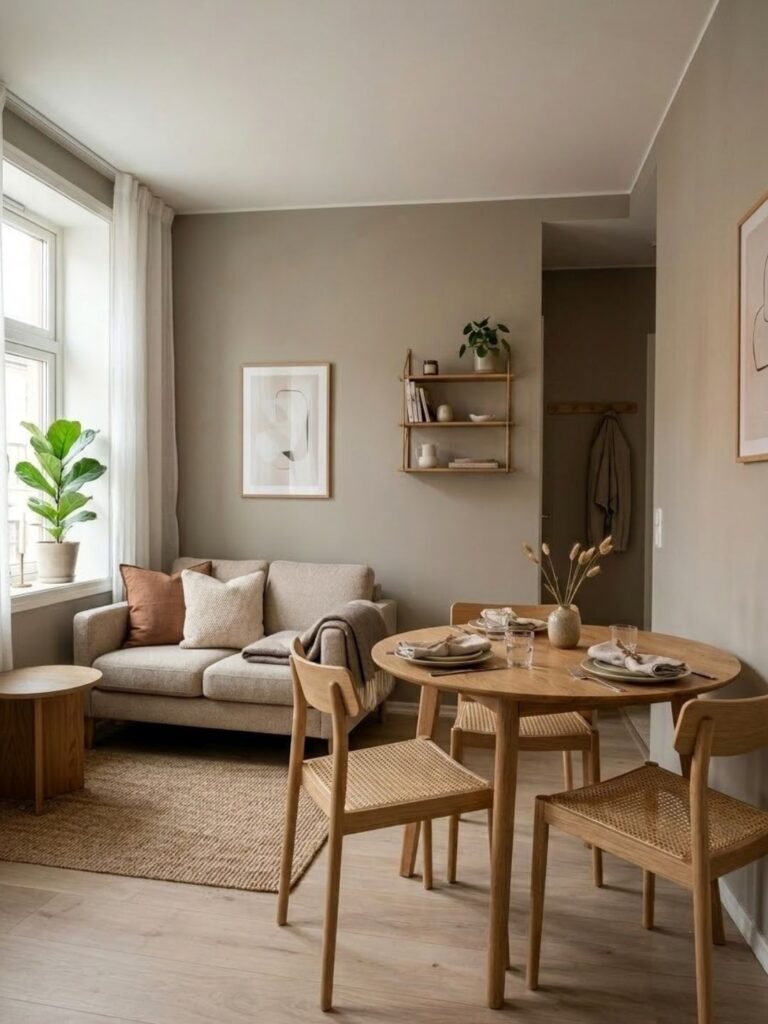
A large rectangular coffee table can consume a surprising amount of floor space.
Nesting tables offer a much more flexible alternative.
You can separate them when guests arrive and stack them together when you need more walking space.
They work particularly well in:
Studio apartments
Small family rooms
Narrow living rooms
Rental apartments
Multifunctional spaces
Choose tables with lightweight frames and rounded corners to improve circulation.
Nesting tables are also increasingly popular as a compact furniture solution because they provide flexibility without permanently occupying a large footprint.
Pro Tip
Look for nesting tables where the smaller table can slide partially underneath the larger one. This creates even more flexibility.
Steal This Look
Paint: Pale beige
Material: Natural wood and black metal
Furniture: Two or three nesting tables
Lighting: Compact floor lamp
Decor: Small tray, candle, and coffee-table book
Avoid This Mistake
Don’t choose nesting tables that are so small they become impractical. You still need enough surface area for drinks, books, and everyday use
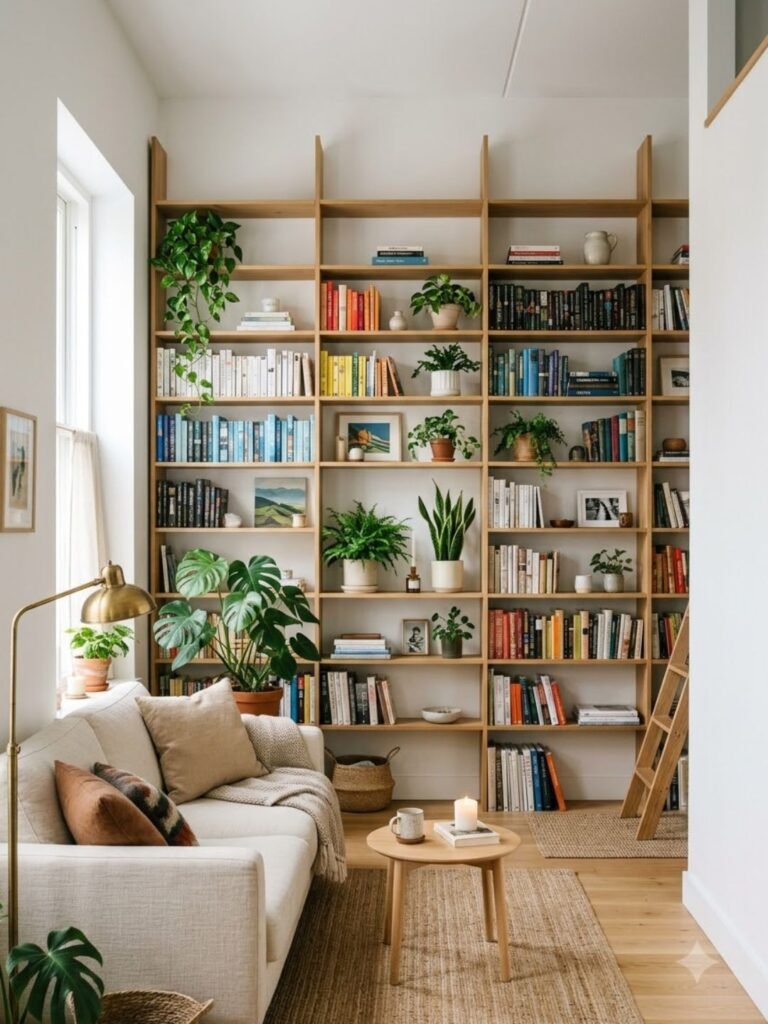
When floor space is limited, your walls become valuable real estate.
Instead of adding another cabinet to the floor, install vertical shelving.
Floor-to-ceiling shelves can make a small room feel taller while providing plenty of storage.
Use them for:
Books
Plants
Artwork
Baskets
Ceramics
Personal collections
Keep some sections empty to avoid a cluttered appearance.
Vertical design is particularly effective because it draws the eye upward rather than emphasizing the limited width of the room. Design experts similarly recommend tall cabinetry, vertical art, and high-mounted window treatments to enhance the perception of height.
Pro Tip
Arrange books and objects in groups rather than filling every shelf from edge to edge.
Steal This Look
Paint: Soft white
Material: Natural oak shelving
Furniture: Slim sofa
Lighting: Wall-mounted reading light
Decor: Books, baskets, trailing plants
Avoid This Mistake
Don’t use deep shelves. A shallow shelf can provide storage while preserving valuable circulation space.
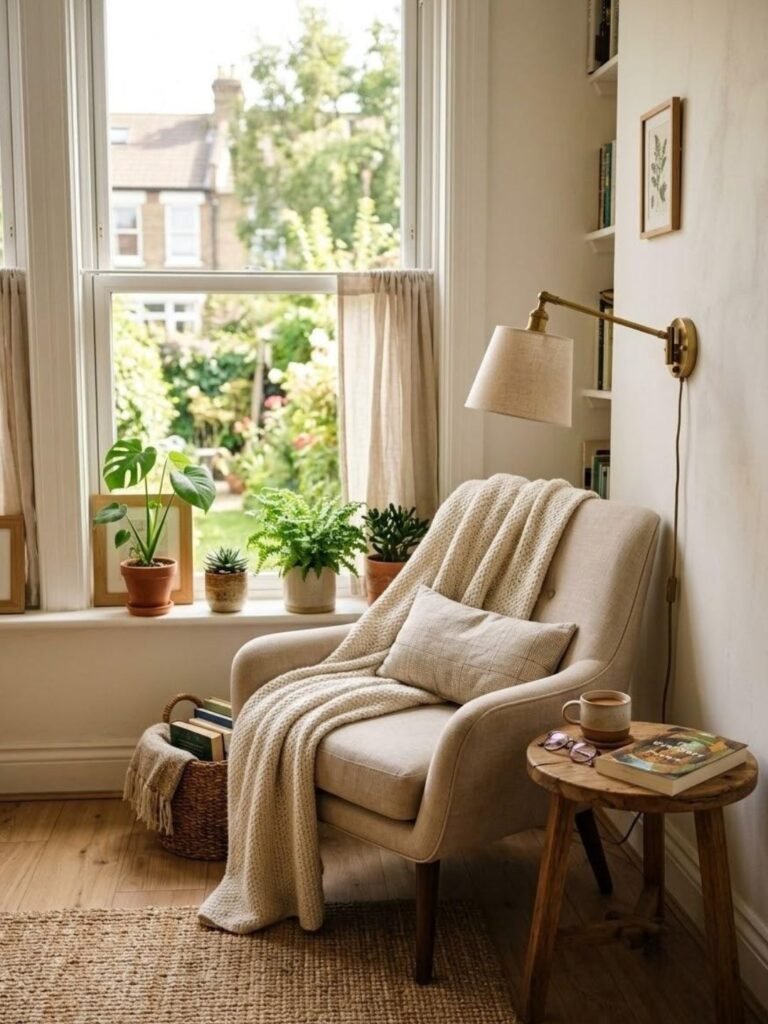
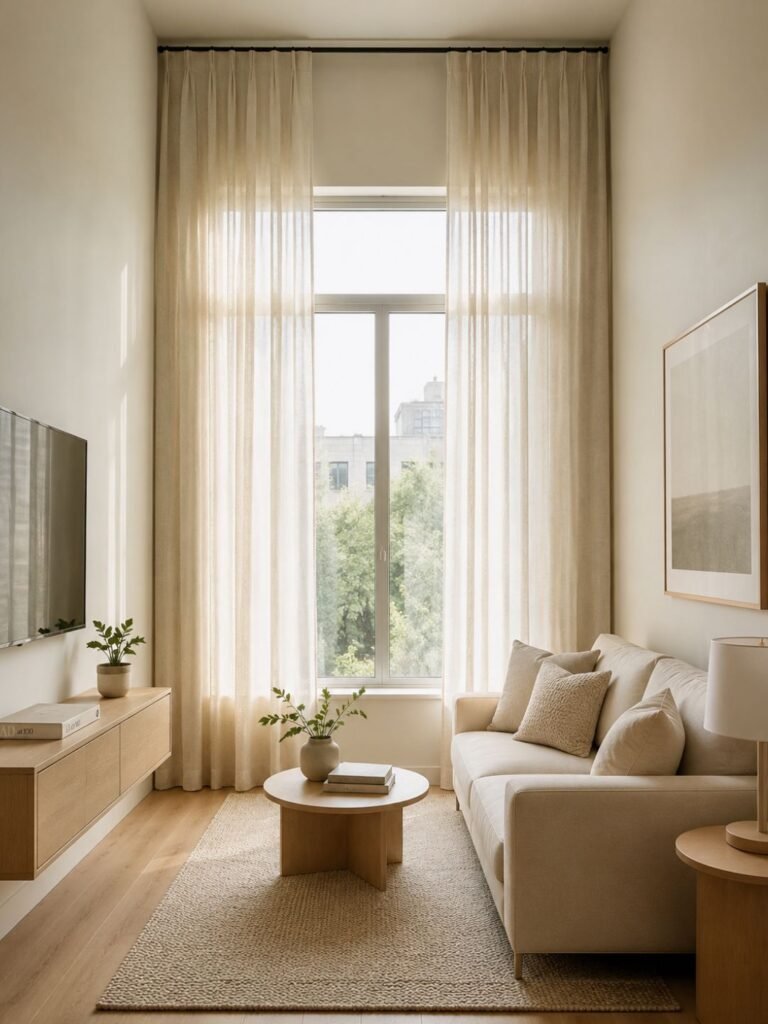
Your windows can influence how large the entire living room appears.
Instead of mounting the curtain rod directly above the window frame, position it higher, ideally close to the ceiling and allow the curtains to fall all the way to the floor.
This creates a stronger vertical line.
The room can appear taller and more elegant.
Choose lightweight curtains in a similar color to the walls for an especially seamless look.
Design experts recommend high-mounted curtains as one way to visually lengthen walls and enhance perceived ceiling height.
Pro Tip
Let curtains barely touch or gently break at the floor rather than stopping several inches above it.
Steal This Look
Paint: Soft white
Material: Linen-blend curtains
Furniture: Low-profile sofa
Lighting: Ceiling-mounted fixture plus floor lamp
Decor: Minimal artwork
Avoid This Mistake
Avoid short curtains that stop just below the window. They can visually divide the wall and make the room feel shorter.
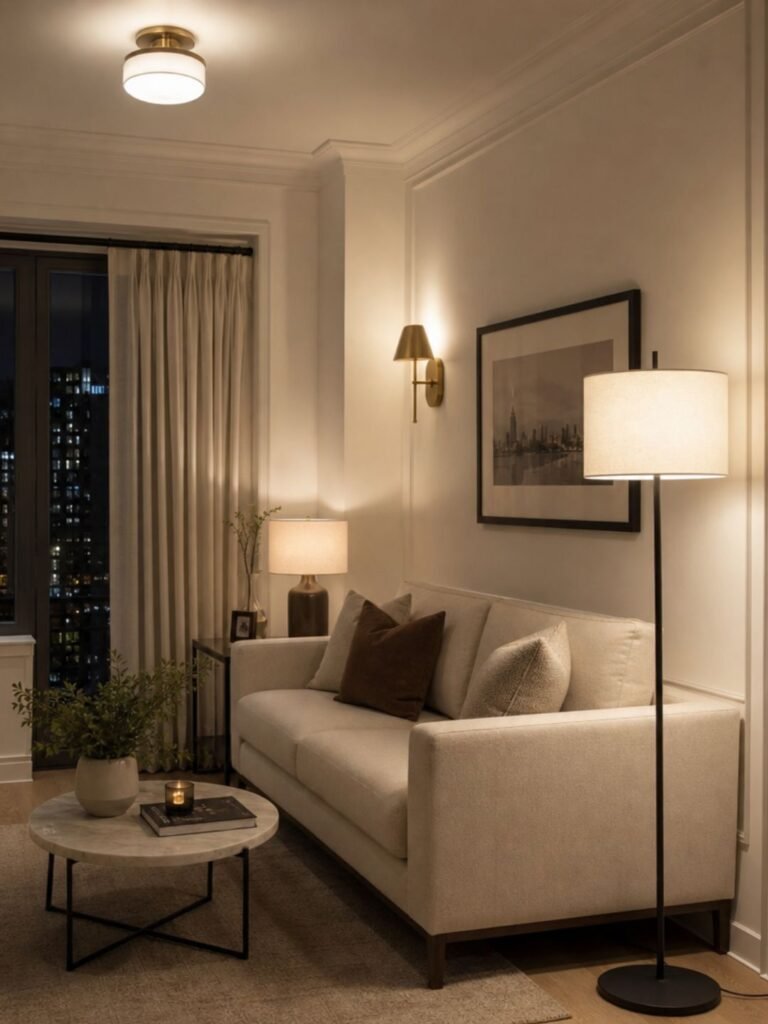
Don’t rely entirely on a bright overhead fixture. Multiple smaller light sources usually create a softer and more dimensional room.
How to Make a Small Living Room Look Bigger
The 13 ideas above work best when combined rather than used individually.
Here are a few additional tricks that can make a noticeable difference.
Keep Walkways Clear
A beautiful room won’t feel spacious if you have to squeeze between furniture.
Before buying anything, map out the main walking path.
Think about how people enter the room, reach the sofa, access windows, and move toward other rooms.
Use Furniture With Visible Legs
Furniture that sits directly on the floor can look heavier.
Raised furniture allows more flooring to remain visible.
That small visual gap can make the entire room feel lighter
Don’t Overdecorate
A small living room doesn’t need dozens of accessories.
Choose fewer, better pieces.
One large artwork can often have more impact than five tiny frames.
One beautiful plant can look better than a collection of small plants scattered across every surface.
Use Closed Storage
Open shelving is beautiful, but too much open storage can create visual noise.
Use closed cabinets for things you don’t want displayed.
Then reserve open shelves for objects that contribute to the room’s style.
Choose Rounded Shapes
Round coffee tables, curved chairs, and rounded ottomans can improve movement through tight spaces.
Frequently Asked Questions
How do I arrange furniture in a very small living room?
Start by identifying the main walking path. Place your largest furniture first, usually the sofa, and then add only the pieces that are necessary. Keep circulation areas clear and avoid blocking doors and windows
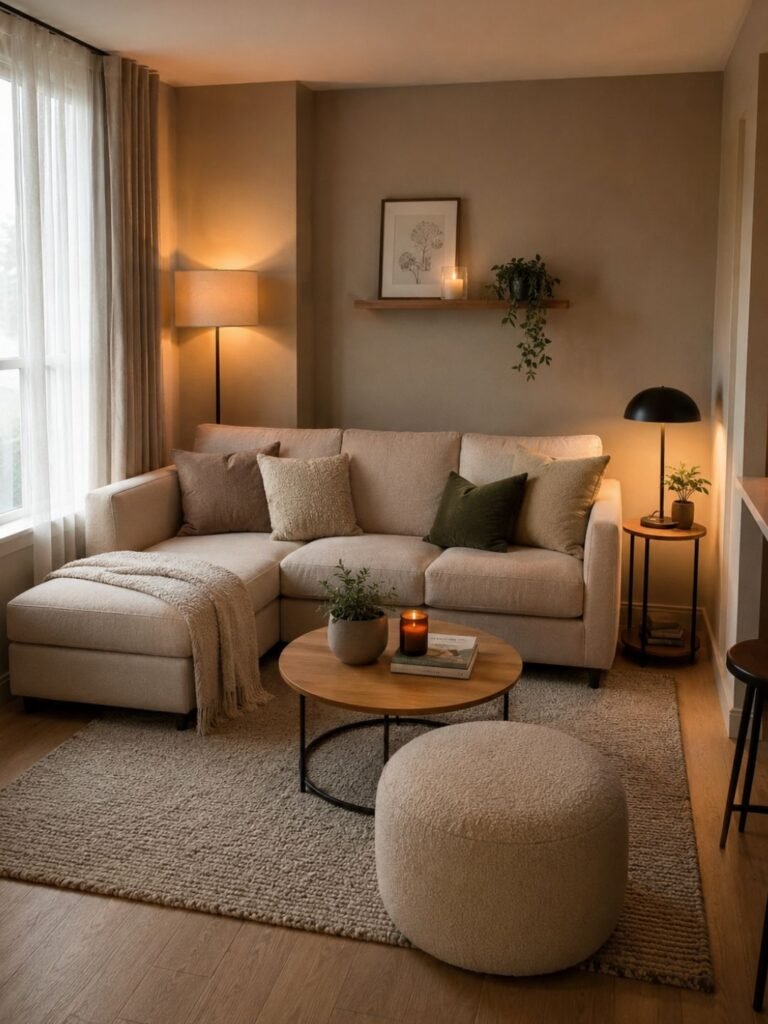
Are L-shaped sofas good for small living rooms?
Yes, provided you choose a compact model with appropriate depth and chaise length. An L-shaped sofa can provide substantial seating while occupying one corner of the room.
What type of curtains are best for a small living room?
Full-length curtains mounted high on the wall or close to the ceiling can emphasize vertical height. Lightweight fabrics in colors close to the wall can create a seamless appearance.
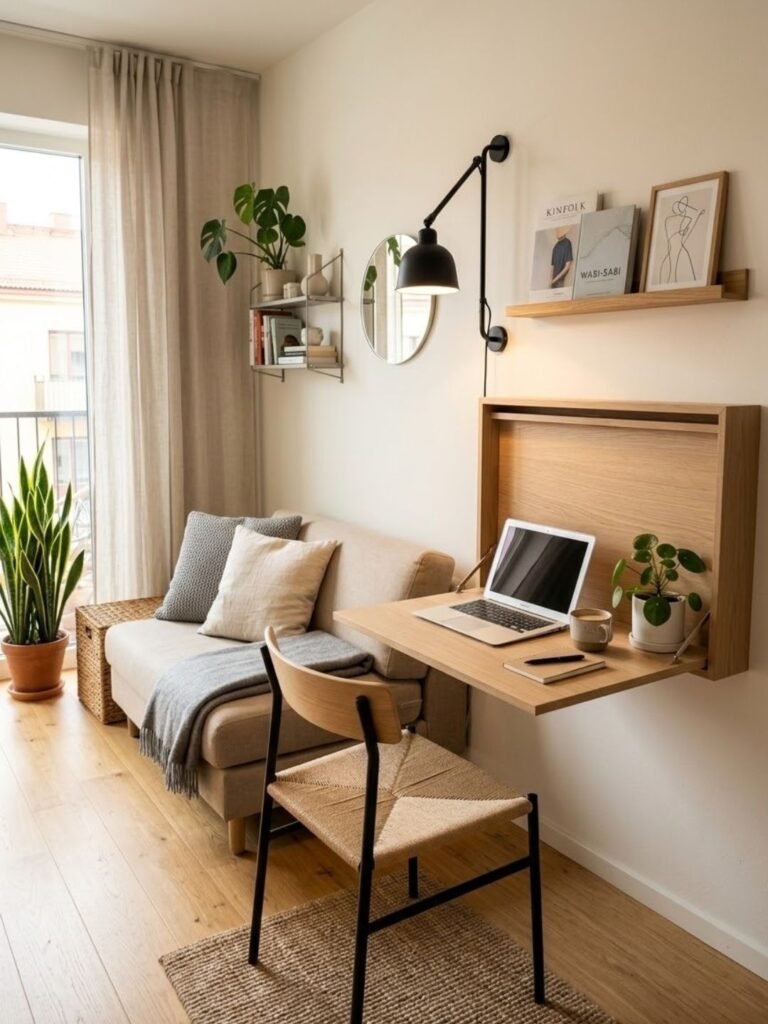
Can a small living room also be a home office?
Absolutely. A wall-mounted fold-down desk, slim console desk, or compact workstation can provide a functional workspace without taking over the room.
Do mirrors really make small rooms look bigger?
Mirrors can create an impression of greater depth by reflecting light and parts of the room. A large, strategically positioned mirror is often more effective than many small decorative mirrors